Daily Habits to Improve High Blood Pressure Explained by a Primary Care Physician in St. Augustine, FL
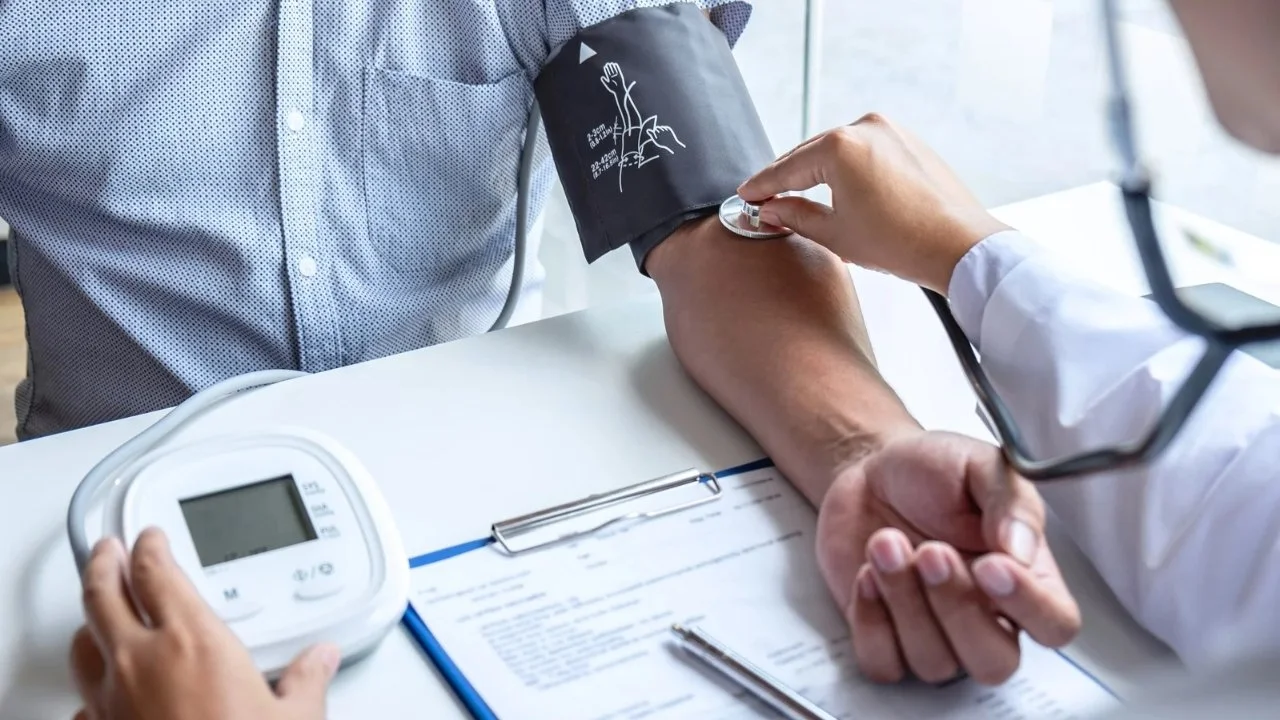
Daily Habits to Improve High Blood Pressure Explained by a Primary Care Physician in St. Augustine, FL
High blood pressure, also known as hypertension, is one of the most common conditions I treat as a primary care physician in St. Augustine, Florida. It affects millions of adults across the U.S., often without obvious symptoms, yet it significantly increases the risk of heart disease, stroke, kidney disease, and other serious health problems.
The good news? For many patients, daily habits play a powerful role in controlling blood pressure, sometimes even reducing the need for medication. As a primary care doctor, I work closely with patients to identify realistic lifestyle changes that fit into their routines and lead to long-term success.
In this blog article, I’ll explain what high blood pressure is, why it matters, and—most importantly—the daily habits that truly help lower and control blood pressure.
Understanding High Blood Pressure
Blood pressure measures the force of blood pushing against the walls of your arteries. It’s recorded as two numbers:
Systolic pressure (top number): pressure when the heart beats
Diastolic pressure (bottom number): pressure when the heart rests
According to current guidelines:
Normal: below 120/80
Elevated: 120–129/<80
High blood pressure: 130/80 or higher
Many patients are surprised to learn they have hypertension because it often causes no symptoms. That’s why routine checkups with a primary care doctor are essential for early detection and prevention of complications.
Why Blood Pressure Control Matters
Uncontrolled high blood pressure quietly damages blood vessels and organs over time. As a primary care doctor, I often remind patients that hypertension is a “silent problem with loud consequences.”
Long-term risks include:
Kidney disease
Vision loss
Cognitive decline
Sexual dysfunction
The goal of treatment is not just lowering numbers on a monitor—it’s protecting your long-term health and quality of life.
Daily Habits That Help Lower Blood Pressure
1. Consistent Physical Activity
You don’t need extreme workouts to improve blood pressure. Moderate, consistent movement makes a big difference.
What helps most:
Brisk walking (30 minutes most days)
Swimming
Cycling
Light strength training
Yoga or stretching
Living in St. Augustine, Florida offers excellent opportunities for outdoor activity year-round. Walking along the beach, historic district, or neighborhood trails can be both enjoyable and beneficial for heart health.
As a primary care physician, I often advise patients to start small. Even 10-minute walks add up.
2. Reducing Sodium Intake
Excess sodium is one of the biggest contributors to high blood pressure.
Many patients believe they don’t eat much salt because they don’t use a salt shaker. However, processed and restaurant foods contain the majority of dietary sodium.
Daily strategies:
Cook more meals at home
Read nutrition labels
Choose “low sodium” or “no added salt” products
Limit fast food and packaged meals
Use herbs and spices instead of salt
Aim for less than 2,300 mg of sodium per day, and closer to 1,500 mg for those with hypertension.
3. Maintaining a Healthy Weight
Weight and blood pressure are closely linked. Losing even 5–10 pounds of excess weight can lower blood pressure in many individuals.
This doesn’t require crash dieting. Sustainable weight loss comes from:
Balanced meals
Portion control
Regular activity
Adequate sleep
Medication in select individuals
A primary care physician can help determine whether weight loss alone may improve blood pressure or if medication is also needed.
4. Prioritizing Quality Sleep
Sleep is often overlooked but plays a critical role in blood pressure regulation.
Poor sleep can:
Increase stress hormones
Raise blood pressure
Worsen insulin resistance
Make weight management harder
Healthy sleep habits include:
7–8 hours per night
Consistent sleep and wake times
Limiting screen use before bed
Treating sleep apnea if present
If you snore loudly, feel excessively tired during the day, or wake up unrefreshed, talk to your primary care doctor about possible sleep disorders.
5. Managing Stress Effectively
Chronic stress doesn’t just affect mental health—it directly impacts blood pressure.
Common stressors I see in my primary care practice include:
Work pressure
Family responsibilities
Financial concerns
Caregiver burnout
Helpful daily stress-reduction techniques:
Deep breathing exercises
Meditation or prayer
Time outdoors
Limiting constant news exposure
Regular physical activity
Stress management looks different for everyone. A trusted primary care physician can help identify what works best for you.
6. Limiting Alcohol Intake
Alcohol has a dose-dependent effect on blood pressure. Even moderate overuse can lead to sustained hypertension.
General recommendations:
Women: no more than one drink per day
Men: no more than two drinks per day
Reducing alcohol intake often leads to noticeable blood pressure improvements within weeks.
7. Taking Medications as Prescribed
Lifestyle changes are powerful, but some patients still need medication. This is not a failure—it’s often necessary to protect vital organs.
Common reasons blood pressure remains uncontrolled:
Skipping doses
Stopping medication when numbers improve
Side effects not discussed with a physician
Underlying medical issue that has not been addressed
As a primary care physician in St. Augustine, I encourage open communication. If a medication causes side effects, we can adjust the dose or try an alternative.
The Role of Primary Care in Blood Pressure Management
Managing high blood pressure isn’t about one visit—it’s an ongoing partnership.
A primary care doctor provides:
Accurate diagnosis
Regular monitoring
Medication management
Lifestyle counseling
Coordination with specialists if needed
Prevention of long-term complications
Establishing care with a primary care physician allows for continuity, personalized treatment, and early intervention when changes occur.
When to See Your Primary Care Doctor
You should schedule an appointment if:
Your blood pressure is consistently above 130/80
You experience headaches, dizziness, or chest discomfort
You have a family history of heart disease
You’re unsure if your lifestyle habits are helping
You want to prevent hypertension before it starts
Early care makes a significant difference.
Final Thoughts
High blood pressure is common, manageable, and often preventable. Daily habits—when practiced consistently—can dramatically reduce your risk of serious complications.
As a primary care physician in St. Augustine, Florida, my goal is to help patients take control of their health through education, prevention, and personalized care. Small changes, guided by a trusted primary care doctor, can lead to lasting results and a healthier future.
If you haven’t had your blood pressure checked recently, now is the time to schedule a visit and start protecting your heart.
Florida Direct Primary Care in St. Augustine
Dr. Bryant Wilson is a board certified internal medicine, sports medicine and obesity medicine physician at Florida Direct Primary Care who develops individualized treatment plans that promote overall health and wellness, tailored to each patient’s unique health needs and goals. If you’re in the St. Augustine area and looking for a primary care doctor, contact us to learn more about our practice. Visit FloridaDPC.com, email us at info@FloridaDPC.com, or call 904-650-2882.
This web site is provided for educational and informational purposes only and does not constitute the provision of medical advice or professional services. The information provided should not be used for diagnosing or treating individual health problems or diseases. Those seeking medical advice should consult with a licensed physician.Ready to become a Florida DPC member? Click here to enroll.