Diabetes Care in St. Augustine, FL: When to See Your Primary Care Doctor

Diabetes Care in St. Augustine, FL: When to See Your Primary Care Doctor
Diabetes is one of the most common chronic conditions affecting adults in St. Augustine and St. Johns County, and yet many people aren’t sure when—or how often—they should be seeing a doctor for it. As a primary care physician in St. Augustine, FL, I help patients every day manage diabetes more effectively and, in many cases, prevent complications altogether.
Whether you’ve recently been diagnosed, have prediabetes, or have been living with diabetes for years, knowing when to see your primary care doctor can make a major difference in your long-term health.
Why Primary Care Is the Foundation of Diabetes Care
Diabetes is not just about blood sugar—it affects your heart, kidneys, nerves, eyes, and overall metabolism. Primary care plays a critical role because we look at the whole picture, not just a single lab value.
A local primary care doctor in St. Augustine, FL can help with:
Early diagnosis of diabetes and prediabetes
Ongoing blood sugar monitoring
Medication management
Lifestyle and nutrition counseling
Preventing long-term complications
Coordinating care with specialists when needed
Consistent follow-up with the same doctor leads to better outcomes and fewer hospitalizations.
When Should You See a Primary Care Doctor for Diabetes?
1. If You’ve Been Diagnosed with Prediabetes
Prediabetes is a warning sign—and it’s often reversible. If your labs show elevated blood sugar or A1c levels, this is the ideal time to work with a primary care physician.
Early intervention can help:
Prevent progression to type 2 diabetes
Improve insulin resistance
Address weight, nutrition, and activity levels
Avoid future medication dependence
Many patients in St. Augustine are surprised to learn how much can be done at this stage.
2. If You’ve Been Diagnosed with Type 2 Diabetes
If you already have diabetes, regular primary care visits are essential. Your doctor will monitor:
A1c levels
Blood pressure
Cholesterol
Kidney function
Weight and metabolic health
Primary care focuses on long-term control, not just reacting when numbers get high.
3. If Your Blood Sugar Is Increasing or Hard to Control
If your blood sugar readings are rising—or if medications aren’t working as well as they used to—it’s time to schedule a visit.
Your primary care doctor may:
Adjust medications
Discuss newer treatment options
Review diet and lifestyle factors
Identify hidden contributors like stress, sleep, or other conditions
Waiting too long can increase the risk of complications.
4. If You’re Experiencing New Symptoms
You should see your primary care doctor promptly if you notice:
Increased thirst or frequent urination
Blurred vision
Numbness or tingling in hands or feet
Slow-healing wounds
These symptoms can signal uncontrolled diabetes or early complications.
How Often Should You See Your Primary Care Doctor for Diabetes?
For most patients:
Every 3–6 months for diabetes follow-ups
Annually for comprehensive exams and preventive screening
Your doctor will tailor visit frequency based on your control, medications, and overall health.
At Florida Direct Primary Care in St. Augustine, diabetes follow-up is flexible and patient-centered. Longer visits, easier access, and direct communication with your doctor allow for earlier adjustments and better long-term control—without waiting months between appointments or navigating insurance barriers.
The Advantage of Local Diabetes Care in St. Augustine
Managing diabetes is easier when your doctor is accessible. Our primary care practice in St. Augustine offers:
Easier scheduling and follow-up
Continuity of care
Personalized treatment plans
Better coordination with specialists
Patients who stay connected with a primary care physician often experience better blood sugar control and fewer complications.
Can Primary Care Help Prevent Diabetes Complications?
Absolutely. Many serious diabetes complications are preventable with regular monitoring and early intervention.
Primary care helps reduce the risk of:
Heart disease and stroke
Hospital admissions
Preventive care is one of the most powerful tools in diabetes management.
Final Thoughts
Diabetes care isn’t one-size-fits-all. It requires time, consistency, and a trusted medical relationship. Whether you’re newly diagnosed, managing long-standing diabetes, or trying to prevent it altogether, partnering with a primary care doctor can help you take control of your health and avoid future complications.
If you’ve been wondering whether it’s time to be seen—it probably is.
Florida Direct Primary Care in St. Augustine
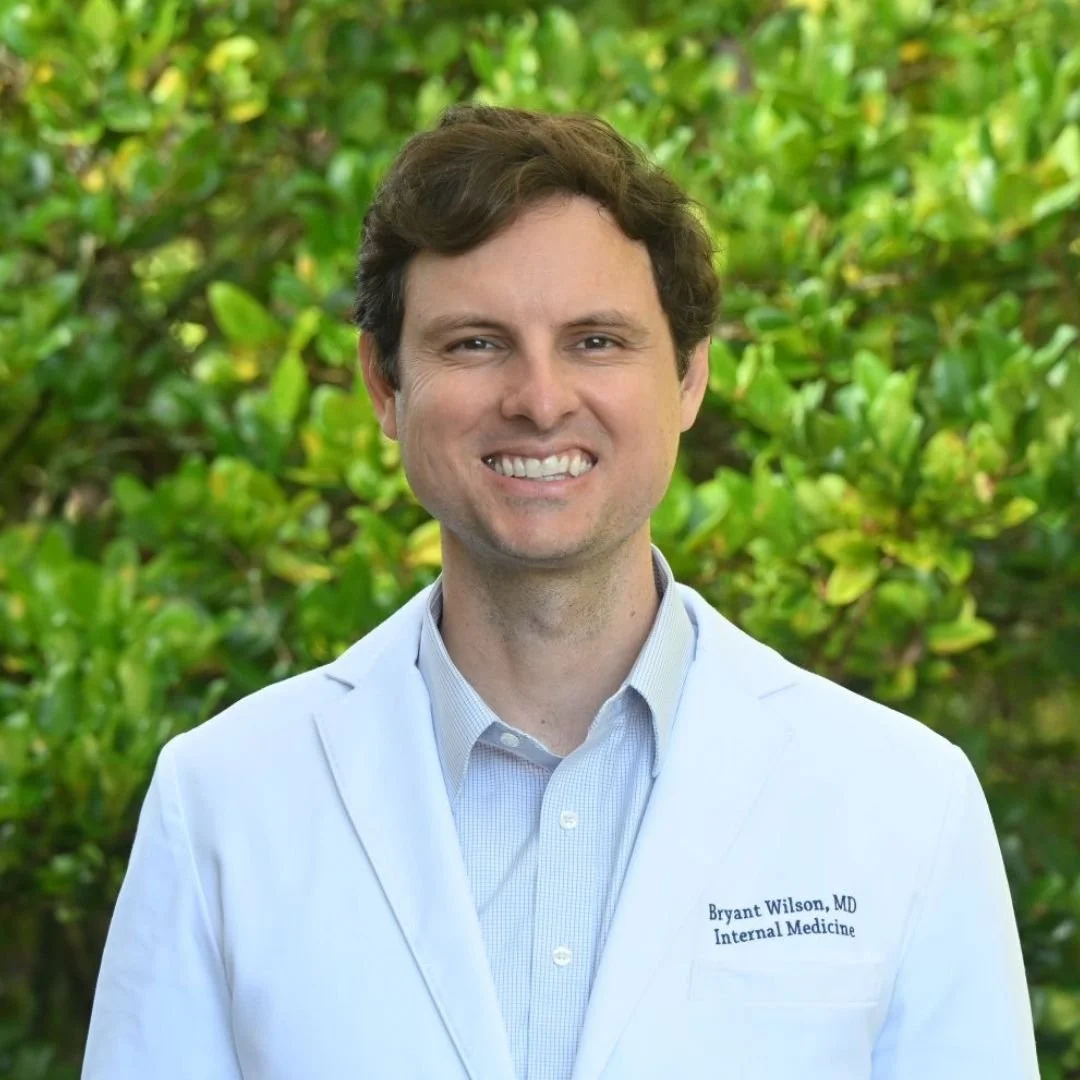
Dr. Bryant Wilson is a board certified internal medicine, sports medicine and obesity medicine physician at Florida Direct Primary Care who develops individualized treatment plans that promote overall health and wellness, tailored to each patient’s unique health needs and goals. If you’re in the St. Augustine area and looking for a primary care doctor, contact us to learn more about our practice. Visit FloridaDPC.com, email us at info@FloridaDPC.com, or call 904-650-2882.
This web site is provided for educational and informational purposes only and does not constitute the provision of medical advice or professional services. The information provided should not be used for diagnosing or treating individual health problems or diseases. Those seeking medical advice should consult with a licensed physician.Ready to become a Florida DPC member? Click here to enroll.